
Psychology & Finance: 10 Books to Re-Engineer Your Mind
Trading success isn’t just about charts and strategies; it’s about mastering your mindset, discipline, and decision-making. The greatest traders in history didn’t just learn technicals; they studied psychology, human behavior, and the dark reality of how money decisions actually work.
Intelligence Briefing:
The best trading libraries aren’t just full of charting guides, but timeless books on behavioral economics and finance. In this guide, we break down the 10 must-read psychology and finance books to sharpen your trading edge in 2026.


The Psychology of Money
Managing capital is a behavioral challenge, not a mathematical one. Morgan Housel deconstructs how personal history and Cognitive Biases dictate financial survival. This audit proves that the “dark side” of the industry relies on your emotional volatility to fuel its liquidity. Mastery of these principles is the only way to insulate your edge from the self-destructive tendencies of the retail herd.

Misbehaving
Richard Thaler’s forensic breakdown of Behavioral Economics exposes the fiction of the “rational actor.” In the high-stakes CFD and Forex environments, the industry assumes you will act predictably against your own best interests. This curriculum provides the technical nuance required to identify when you are being nudged into high-risk, low-probability setups by the architecture of the platform.

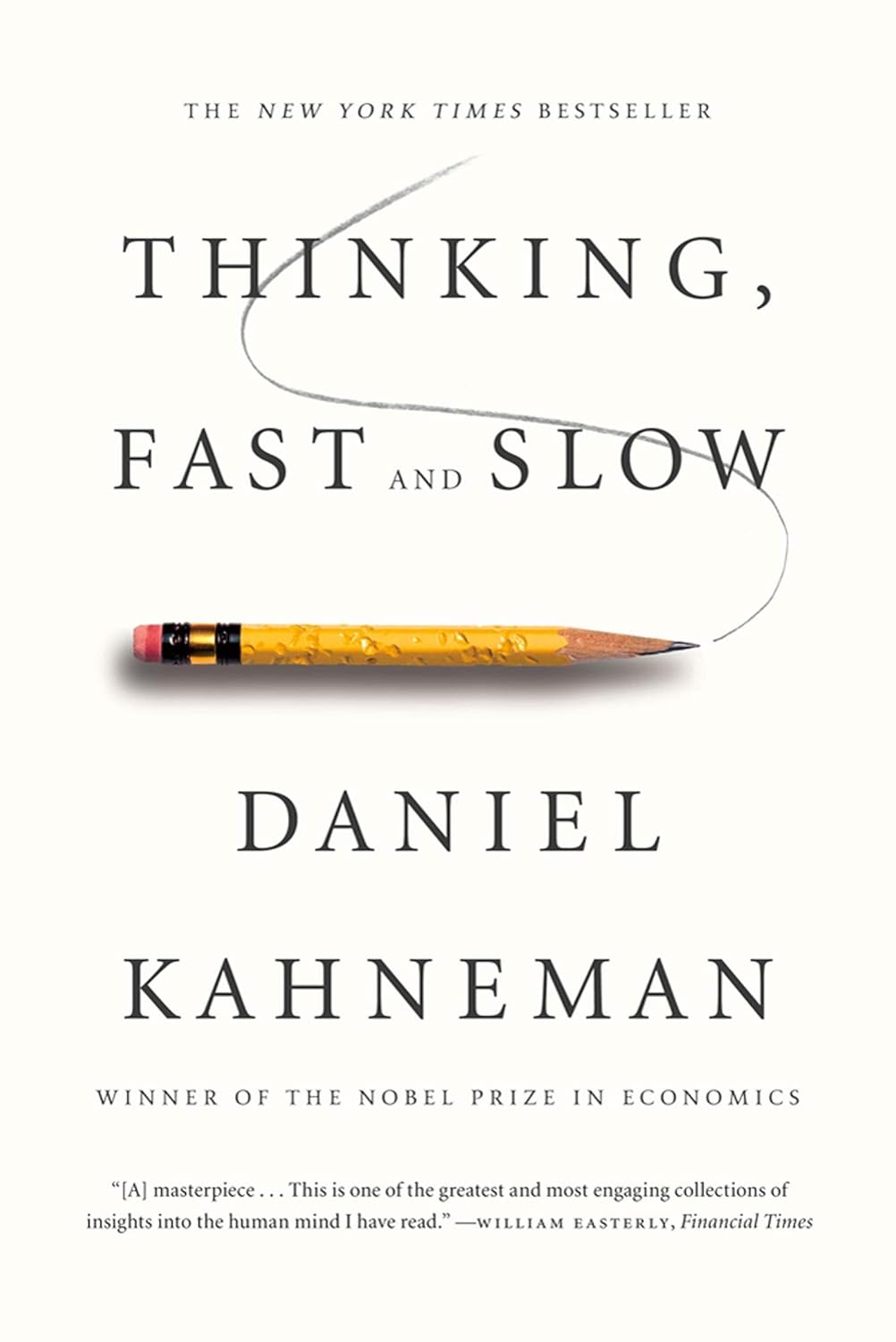
Thinking, Fast and Slow
Daniel Kahneman exposes the systemic conflict between System 1 (impulsive) and System 2 (logical) cognition. In the predatory landscape of modern speculation, System 1 is your greatest liability. This curriculum is the definitive guide to Prospect Theory, teaching you how to slow down decision-making before deploying capital into non-linear environments where Loss Aversion usually dictates failure.
Fooled by Randomness
Nassim Taleb deconstructs the illusion of skill in a world of high-entropy data. This is a brutal audit of how luck is often mistaken for technical mastery in retail communities. To survive the dark side of market volatility, you must learn to identify Asymmetric Risk-to-Reward profiles while neutralizing the overconfidence that leads to catastrophic drawdown.

The Daily Trading Coach
Success in the FX/CFD arena requires a transition from passive student to systematic operator. Brett Steenbarger provides 101 practical modules for Performance Auditing and internal discipline. This is the structural guardrail you need to avoid the psychological pitfalls engineered to drain retail accounts. It is the roadmap for building a sovereign mindset in an industry designed to distract you.

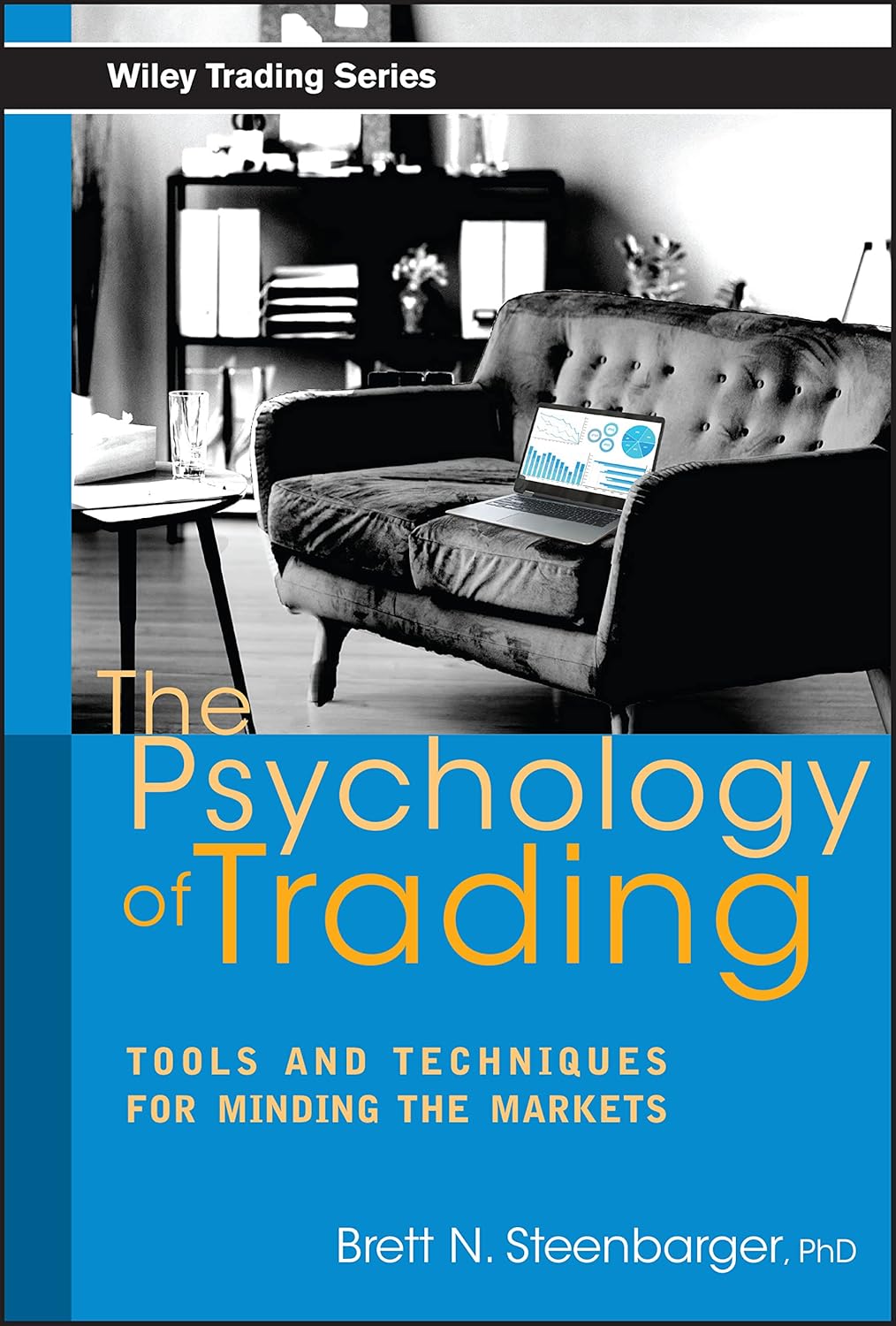
The Psychology of Trading
This collaborative audit by Steenbarger, Douglas, and Kiev represents the “Triple Threat” of market behavioral science. It moves beyond retail platitudes to provide a technical roadmap for Cognitive Self-Regulation. By mastering the internal mechanics of risk, you can dismantle the emotional triggers that the CFD industry specifically targets to induce over-leveraged errors and account liquidation.
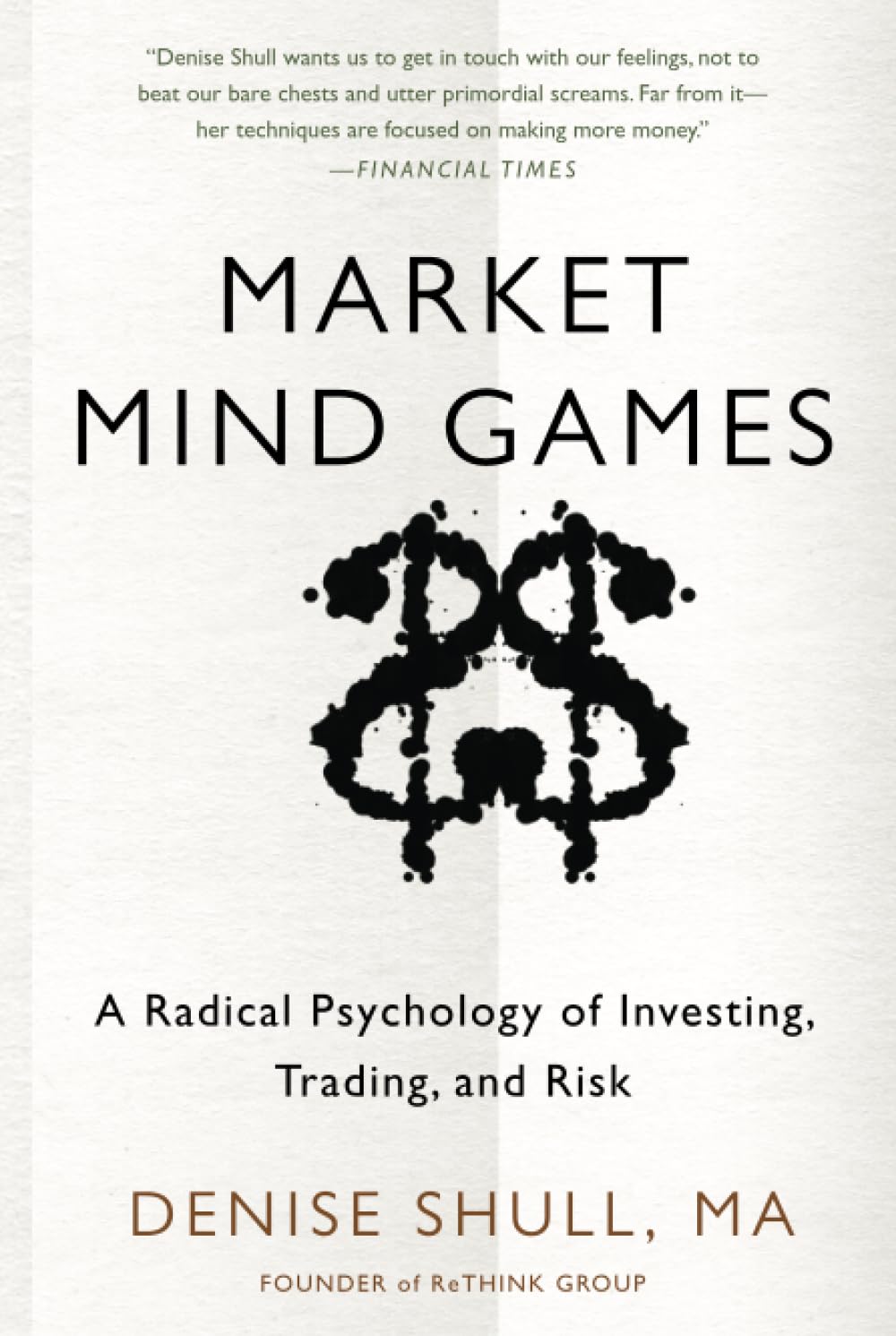
Market Mind Games
Denise Shull challenges the myth that successful traders are emotionless robots. In this forensic look at Neuroeconomics, she explains how to weaponize your intuition by understanding the emotional data the market generates. This is essential for navigating the psychological warfare of Forex, where your feelings are often the most accurate indicator of a looming institutional trap.
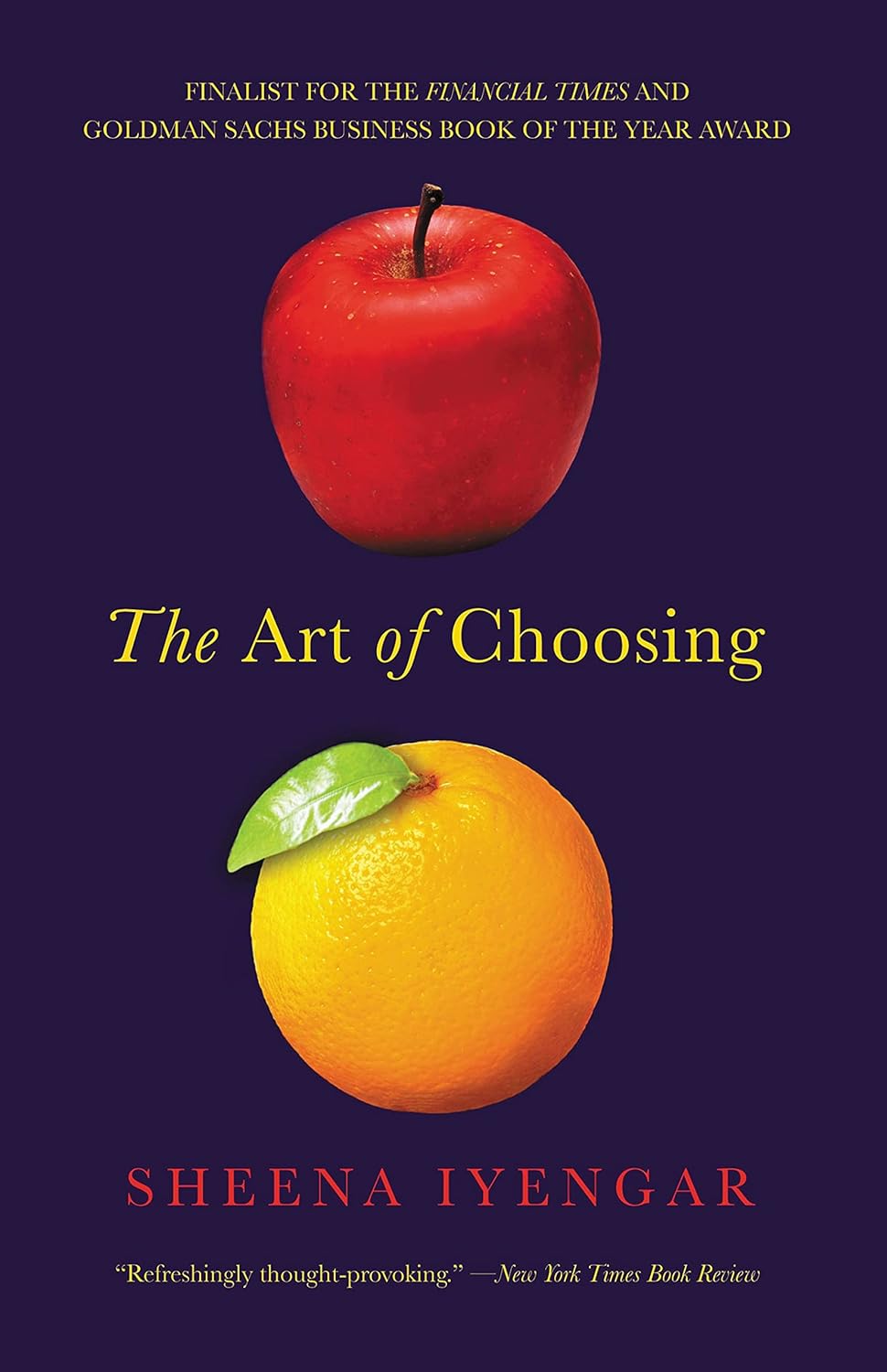
The Art of Choosing
Sheena Iyengar provides a deep-dive into the paradox of choice. In a trading terminal with thousands of tickers and indicators, Choice Paralysis or “Analysis Paralysis” becomes a weapon used against retail participants. This curriculum teaches you to simplify your decision-making architecture to preserve mental capital and execute with institutional precision.
Pound Foolish
Helaine Olen provides a scathing audit of the personal finance industrial complex. This is the ultimate “truth unfold” curriculum, exposing how retail advice is often designed to keep participants in a cycle of fee-generation and low-probability strategies. To escape the Dark Side of financial marketing, you must first understand the incentives of the brokers and “gurus” who benefit from your ignorance.

Rich Dad Poor Dad
The foundation of Wealth Logic starts with redefining assets versus liabilities. Robert Kiyosaki deconstructs the conventional financial education that keeps the majority trapped in the “Rat Race.” For a trader, understanding the difference between earned income and portfolio income is the first step in moving from a gambling mindset to a professional Capital Manager mindset.

Intel Briefing: Top 10 Audits
REWIRE YOUR PSYCHOLOGY // DISMANTLE THE DARK SIDE
| Operational Target | Primary Objective | Acquire |
|---|---|---|
| The Psychology of Money | Behavioral Bias Audit | Access → |
| Misbehaving | Behavioral Economics Forensic | Access → |
| Thinking, Fast and Slow | Cognitive System Overhaul | Access → |
| Fooled by Randomness | Entropy & Risk Mastery | Access → |
| The Daily Trading Coach | Performance Engineering | Access → |
| The Psychology of Trading | Emotional Intelligence Audit | Access → |
| Market Mind Games | Neuroeconomic Warfare | Access → |
| The Art of Choosing | Decision Logic Optimization | Access → |
| Pound Foolish | Industry Myth Dismantling | Access → |
| Rich Dad Poor Dad | Wealth Architecture Foundation | Access → |
Sovereign Intelligence Hub
The path to professional capital management requires continuous auditing of your tactical approach. Beyond these publications, we provide the following technical protocols to help you navigate the dark side of the retail industry.
Strategic Disclosure: This intelligence report contains affiliate pathways. If you choose to acquire these resources through our links, we may receive a commission that supports the TradeUnfold mission. This logic ensures our research remains sovereign while providing you with the highest level of market truth without additional cost to your capital.
 TradeUnfold