
TradingView Review: Institutional Power or Retail Toy?
If you’ve been anywhere near the trading world, you’ve heard the phrase, “Just check it on TradingView.” But beneath the social features lies a sophisticated execution engine. We unfold whether this platform is a legitimate forensic tool or just a popular distraction.
Audit Briefing:
In this 2026 audit, we walk through the technical capabilities, best features, and structural flaws of the platform. We examine pricing levels not through the lens of cost, but through the lens of ROI for a professional operator.
Access TradingView Interface
So, What Exactly is TradingView?
Imagine if Bloomberg terminals and social media had a baby – that’s pretty much TradingView. It’s a cloud-based platform where you can pull up professional-looking charts, run technical analysis, and then argue with strangers on the internet about whether Bitcoin is “definitely going to the moon” or “obviously crashing.”
At its core, TradingView gives you access to real-time (or nearly real-time) data across a wide range of markets: stocks, forex, crypto, indices, futures, and commodities. Whether you trade Tesla, EUR/USD, or Dogecoin, it’s all there in one place.
The beauty is that you don’t need fancy hardware or downloads. Fire it up on your web browser, mobile, or desktop app and your watchlists, alerts, and chart setups follow you around like a loyal trading buddy.

Key Features You’ll Actually Use
Trading platforms often brag about features that sound amazing… until you realize you’ll never use them. Here’s what TradingView offers that traders genuinely love:
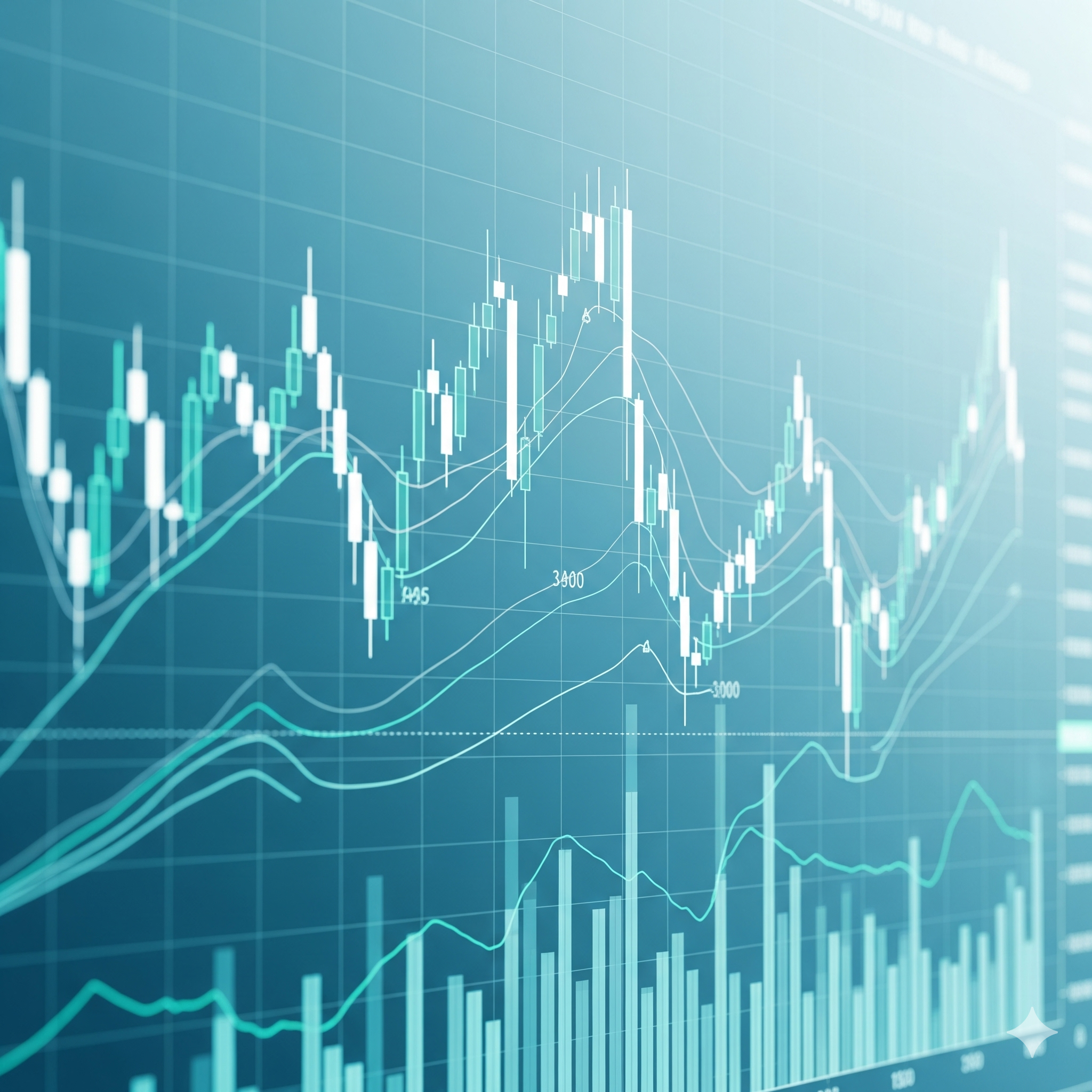
- Charts that don’t look like they were built in 1999 – smooth, interactive, and highly customizable.
- Over 100 indicators plus drawing tools, from simple moving averages to Fibonacci levels (yes, even those mystical golden ratios).
- Pine Script – a programming language that lets you build your own indicators or strategies, if you’re feeling like a quant.
- Alerts that actually work – get notified when prices hit your level, instead of staring at screens all day.
- Community ideas – thousands of published charts and strategies from traders worldwide. Some are brilliant, some are… let’s say “optimistic.”
- Multi-device access – check your charts on desktop, mobile, or even sneak a peek at work (we won’t tell).
The Good, The Bad, and The “Hmm, Not Sure”
Pros
- Clean, modern charts (finally, no eye strain).
- Supports almost every market you’d want to trade.
- Free plan is surprisingly generous.
- Huge community for idea-sharing (and meme-worthy predictions).
- Reliable mobile app – perfect for traders on the go.
- Customizable layouts for different trading styles.
Cons
- Some premium features locked behind paid plans.
- Real-time data for certain stock exchanges costs extra.
- Beginners may feel overwhelmed at first (but hey, you’ll get used to it).
How Much Does TradingView Cost?
Good news: you don’t have to sell a kidney to use TradingView. It comes with a free plan that’s good enough to get started, and several paid tiers if you want to unlock extra power:
- Free: Solid basic charts and a few indicators – perfect for casual or new traders.
- Pro: Adds more alerts, faster data, and more indicators. About the cost of two lattes a month.
- Pro+: For traders juggling multiple layouts and markets. More charts, more flexibility.
- Premium: Unlimited everything, from indicators to alerts. Designed for full-time traders or chart fanatics.
Final Thoughts
TradingView has earned its reputation for a reason. It’s sleek, powerful, and surprisingly fun to use (yes, staring at candlesticks can be fun). Whether you’re a beginner dipping your toes into technical analysis or a seasoned trader who wants advanced alerts, there’s something here for you.
The free plan is great to start with, and if you later feel like you’ve outgrown it, upgrading is straightforward. The best way to know if it works for you? Just try it yourself.
Want to learn more about charts?
Check out these free guides to strengthen your chart-reading skills:
How to Read a Trading Chart |
Chart Patterns and Indicators |
Trading Indicators Explained |
Technical vs Fundamental Analysis
 TradeUnfold